

Generally the climate of Madagascar is subtropical, with a hot and rainy season between November and April, and a cooler dry season from May to October. However, there is a big variation in climate depending on altitude and geographical position.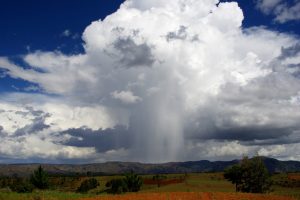 The west coast is drier than the east coast and the central highlands, while the far south and south west is a semi-desert region that experiences very little rainfall. The east coast receives the most rain and is hot and humid during the wet season, and also prone to cyclones between February and March. Temperatures are much cooler in the highlands. In Antananarivo the temperature can drop to as low as 08°C at night, though it is usually around 20°C during the day. If you plan to hike in the highlands the temperature may be even lower at night and there are occasional frosts on higher peaks. Along the coast temperatures range from 81°F to 90°F (27°C to 32°C) in the wet season and 64°F to 72°F (18°C to 22°C) in the dry season. May to October is the most pleasant time to travel to and in Madagascar, with cooler temperatures and little rain.
With the Mozambique Channel on one side and the Indian Ocean on the other, Madagascar has more than 4,500 kilometres of coastline and various tranquil islands. The result is a whole host of idyllic beaches perfect for relaxation or continuing to appreciate the island’s biological richness above and below the waves. 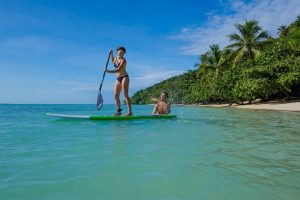
Popular as they may be, the beaches and islands around Nosy Be (known as the Perfumed Isle, from the heady scent of ylang-ylang blossom in the air) offer beautiful beaches in the most exotic of settings. Tsara Komba is perfect for honeymooners, Tsarabanjina for the more active or Eden Lodge for those who want wildlife and beach, you can take your pick. Anjanjavy offers its own private nature reserve, reached by private plane where the hosting and options are second to none. The rustic east coast beaches at Masoala Forest Lodge or the superb boutique option at Princesse Bora, with great whale watching, there are plenty of choices to consider, depending on how much, or how little you want to do.