15 Days Tours
How to Spot Unique Birds in Madagascar’s Ecosystems ?
Experience an exclusive 15-day, expertly guided wildlife and birding expedition across Madagascar’s most diverse natural habitats. Your journey begins in Antananarivo, before heading east to the renowned Andasibe-Mantadia National Park—a primary site for observing indri, ruffed lemurs, and four distinct ground-roller species. Night excursions provide opportunities to spot elusive rainforest owls, mouse lemurs, and chameleons.
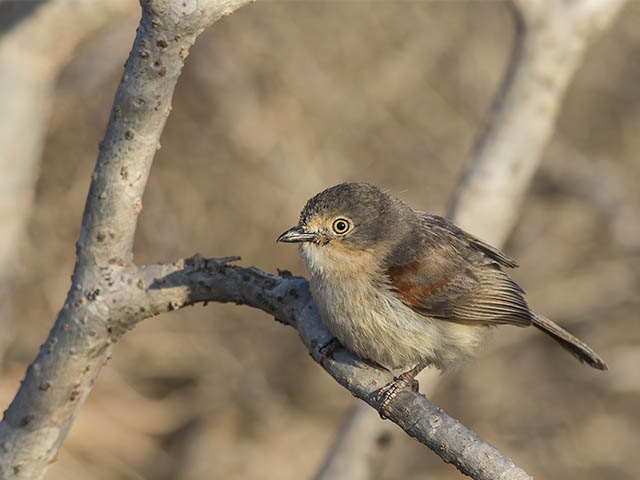
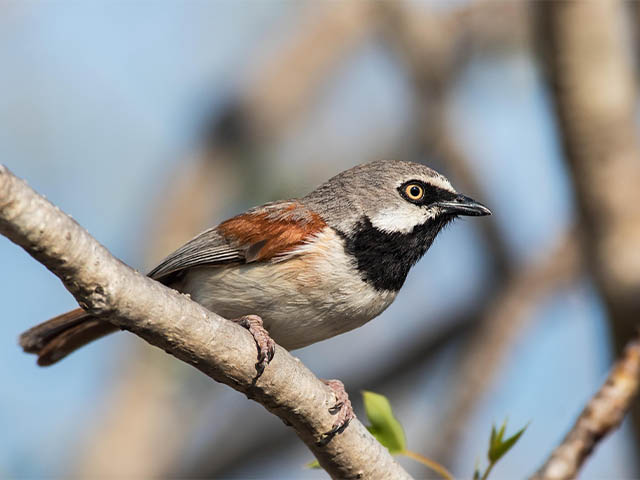
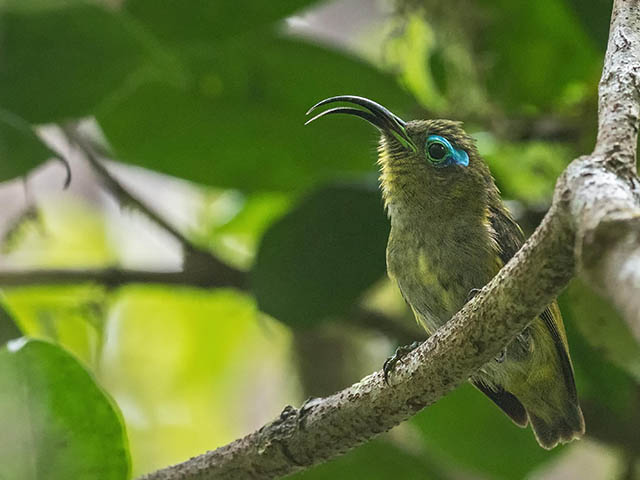
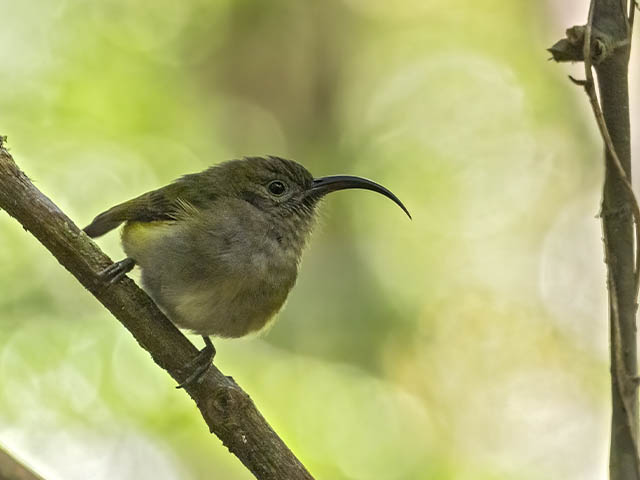
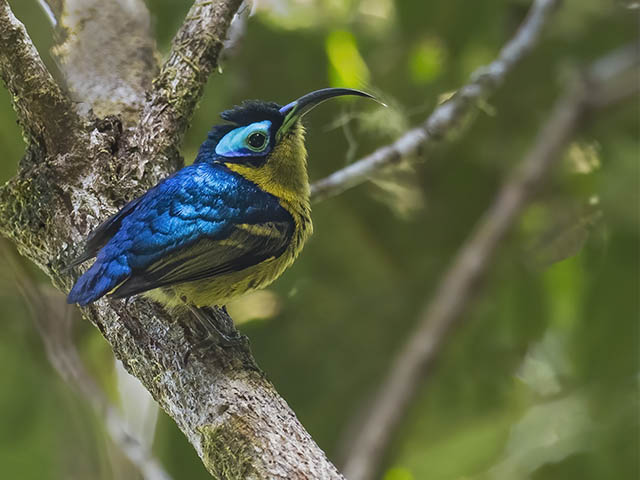
Travel continues south to Ranomafana National Park, a globally recognized hotspot for rare species including the Yellow-bellied Sunbird-Asity and Golden Bamboo Lemur. The itinerary then leads west, passing through Antsirabe and the dramatic rocky terrain of Isalo, en route to the unique spiny forests of Ifaty. Here, endemic birds such as the Long-tailed Ground Roller, Subdesert Mesite, and Sickle-billed Vanga are found among Madagascar’s distinctive flora.
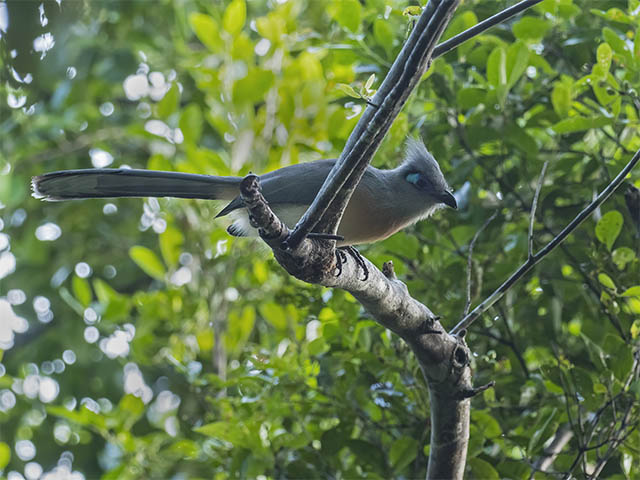
The tour also includes exploration of the dry forests of Zombitse and La Table—habitats for local endemics like Appert’s Tetraka and Verreaux’s Coua. Conclude with a boat journey to Nosy Ve, observing Red-tailed Tropicbirds, and enjoy the coastal environment of Anakao prior to your return flight to the capital.
Led by seasoned naturalist guides, this meticulously curated experience promises high-caliber wildlife photography opportunities and unparalleled encounters with Madagascar’s exceptional biodiversity.
Antananarivo – Andasibe – Ranomafana – Zombitse – Ifaty – Anakao – Tana
Day 1: ANTANANARIVO (Arrival)
Welcome to Madagascar!
We will start the tour with an overnight stay at a hotel in Antananarivo.
Your airport transfer will be arranged by the hotel.
Your guide will meet you that evening at the hotel and brief you about the next day’s plan.
The following morning we will all meet for a trip briefing over breakfast!
Day 2. ANTANANARIVO- ANDASIBE
Early today we embark on a three-to-four-hour drive to Andasibe, one of Madagascar’s premier rainforest sites.
Here the unforgettable call of the indri resounds through the beautiful Andasibe-Mantadia National Park. In the afternoon we will visit its Analamazoatra section. We find the indri with ease, along with other spectacularly beautiful species such as ruffed lemur.
Birding is unbelievable, with four different ground rollers possible, along with two nightjars, including the bizarre Collared Nightjar at its daytime roosts. Madagascan Owl, Rainforest Scops Owl, and a suite of nocturnal lemurs and chameleons await us on a night walk in the area.
Days 3 – 4. ANDASIBE /MANTADIA NATIONAL PARK
We spend two more nights in Andasibe-Mantadia National Park, birding the beautiful primary and secondary forests of the area. We spend the whole day on Day 2 and the morning of Day 3 in the Mantadia National Park section, while returning to the Analamazoatra section in the afternoon of Day 3.
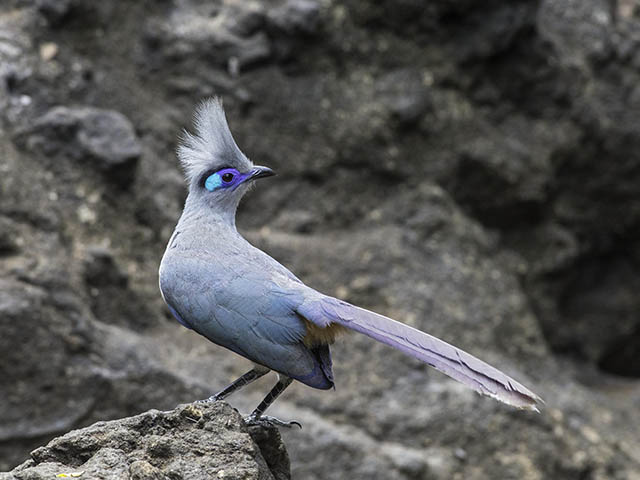
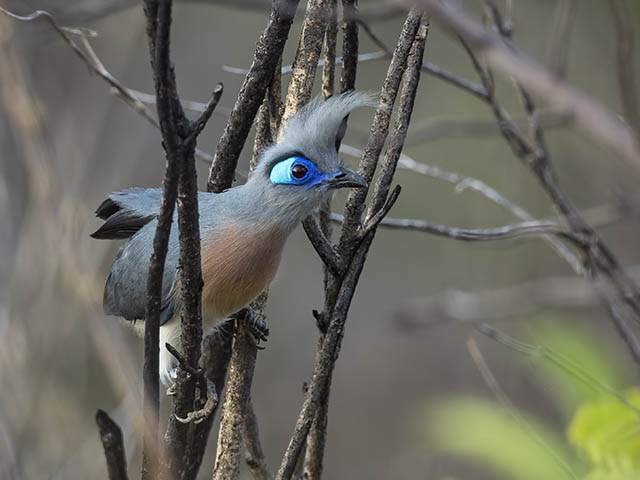
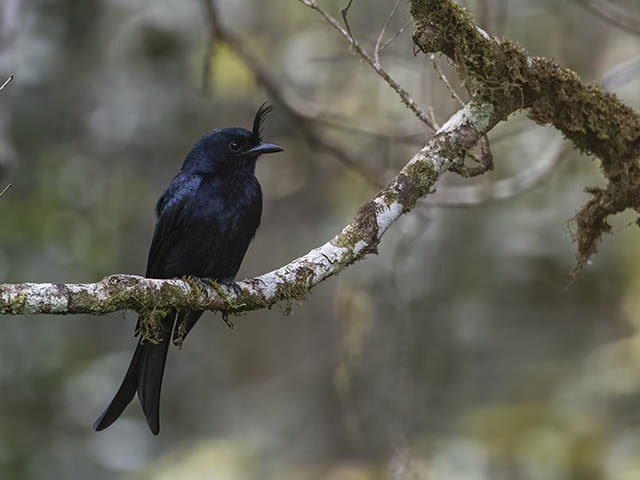
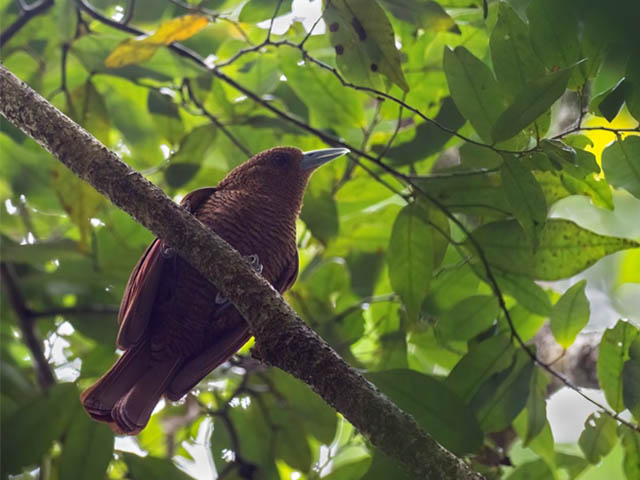
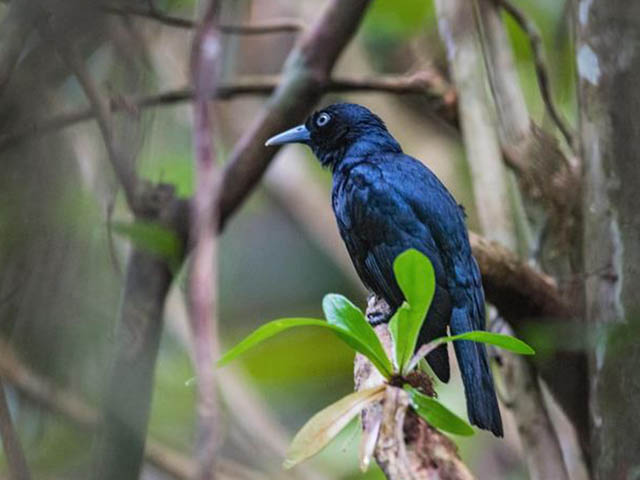
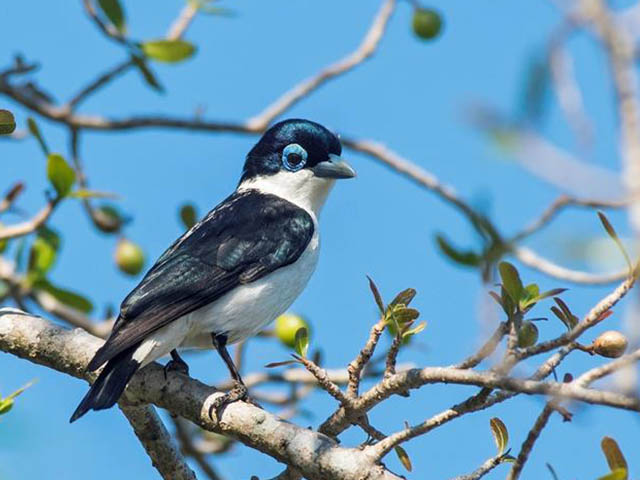
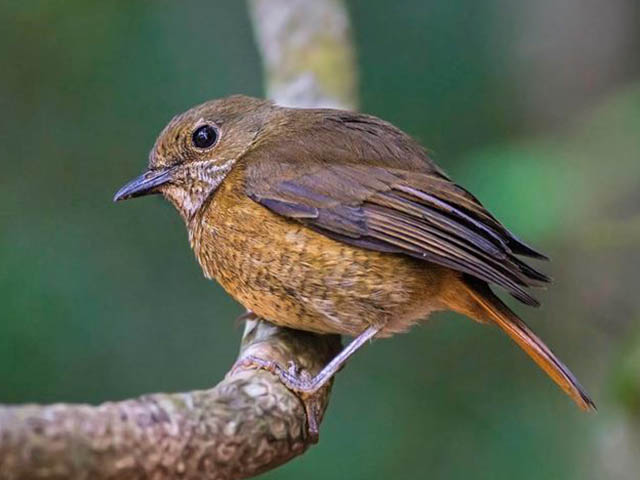
We should find Velvet Asity, Common Sunbird-Asity, Benson’s Rock Thrush (Forest Rock Thrush), Madagascan Flufftail, many vangas including Blue Vanga and Nuthatch Vanga, Madagascan Blue Pigeon, Madagascan Cuckooshrike, several endemic warblers such as Rand’s Warbler, and more. We have stakeouts for Madagascan Grebe, the rare Meller’s Duck, and Madagascan Rail. We expect our first couas, Red-fronted Coua being a likely candidate. We should also see a few new lemurs such as ruffed lemur. We certainly don’t ignore other non-avian wildlife and often see giraffe weevil, tree boa, and many chameleons.
Day 5. ANDASIBE -ANTSIRABE
We embark on a long and scenic road trip, breaking the journey to amazing Ranomafana National Park in the south-east of the island with one night in Madagascar’s second largest city, Antsirabe a very picturesque and interesting town historically known as the “place of much salt”. It is renowned for its warm springs and thermal bath, it’s cool climate (at about 1500m altitude) and having hundreds of registered rickshaw taxis.
Day 6. ANTSIRABE-RANOMAFANA
We hope to see many of Madagascar and its neighboring islands’ common endemics en route to the national park, including species such as Madagascan Wagtail, Malagasy Kingfisher, Mascarene Martin, Malagasy Kestrel, Malagasy Bulbul, and many others.
Days 7 – 8. RANOMAFANA NATIONAL PARK
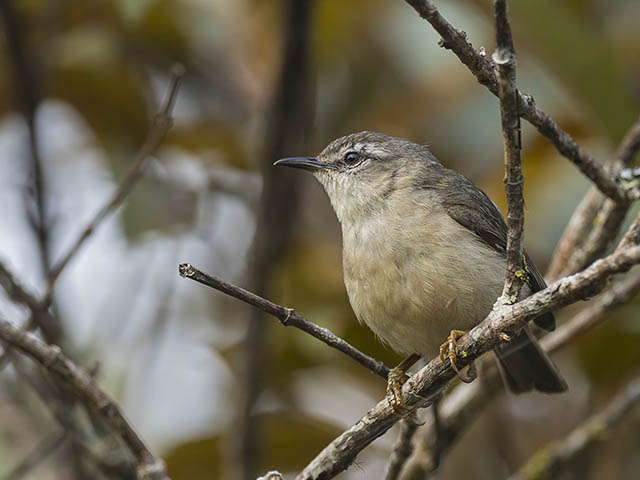
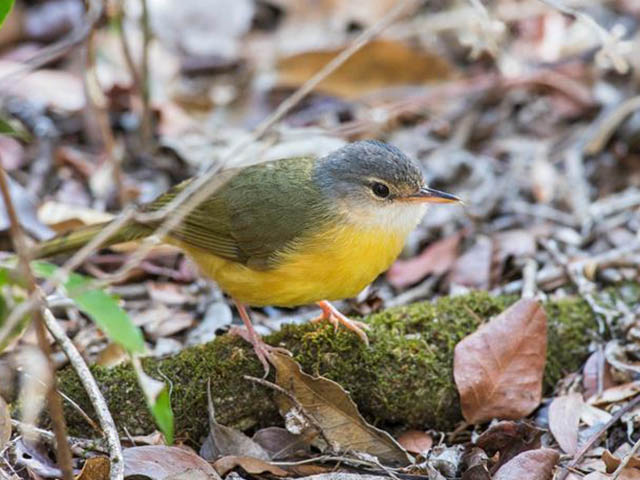
At the magnificent Ranomafana National Park we are in for a real treat. The rainforest here is similar to that at Andasibe, but it is a better place for several species we won’t yet have seen, such as the rare Yellow-bellied Sunbird-Asity, the recently described Cryptic Warbler, Madagascan Yellowbrow, Grey-crowned Tetraka, Pollen’s Vanga, Grey Emutail, Wedge-tailed Jery, Madagascan Snipe, and numerous others. As always in a new part of the island we expect new lemurs, such as golden bamboo lemur. The reptiles here include leaf-tailed gecko.
Day 9. RANOMAFANA-RANOHIRA
After some final birding at Ranomafana while hoping to clean up there, we begin another scenic road trip across the island, with the possibility to stop shortly at Anja Community Reserve. Today we start heading westwards, to much drier parts. We’ll spend one night in the beautifully picturesque Isalo National Park. Here we’ll search for some more star birds, such as Benson’s Rock Thrush (Forest Rock Thrush) and the attractively-patterned Madagascan Partridge.
Day 10. RANOHIRA -IFATY
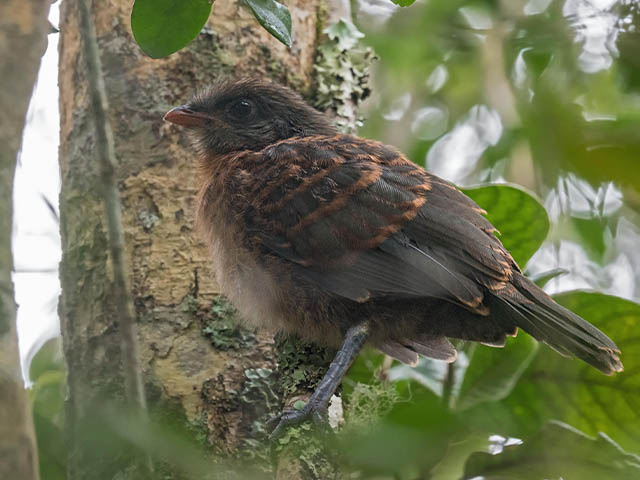
We head towards the spiny forests of the southwest. This will be like entering a completely new world, and there is nothing else like this weird landscape anywhere in the world – Africa, although geographically close by, is nothing like Madagascar in landscape or wildlife. However, before reaching these spiny forests we first have another fascinating drive that should generate some of Madagascar’s most localized birds. On our drive westwards towards the spiny forests we stop at a unique dry deciduous forest at Zombitse National Park, inhabited by the critically endangered Appert’s Tetraka, Coquerel’s Coua, the incomparable Cuckoo Roller, which we often see displaying, and various other goodies. Then we bird a coastal site further west for two incredibly localized species endemic to “coral rag scrub”, Verreaux’s Coua and Red-shouldered Vanga. We should also start finding our first of more widespread dry area birds, including Subdesert Brush Warbler and others.
Day 11. IFATY
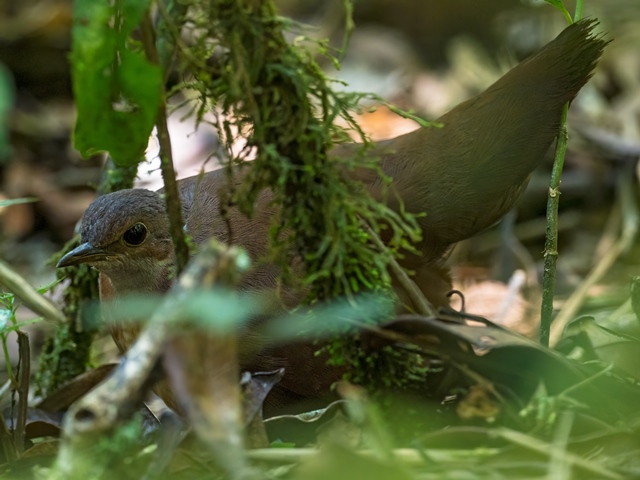
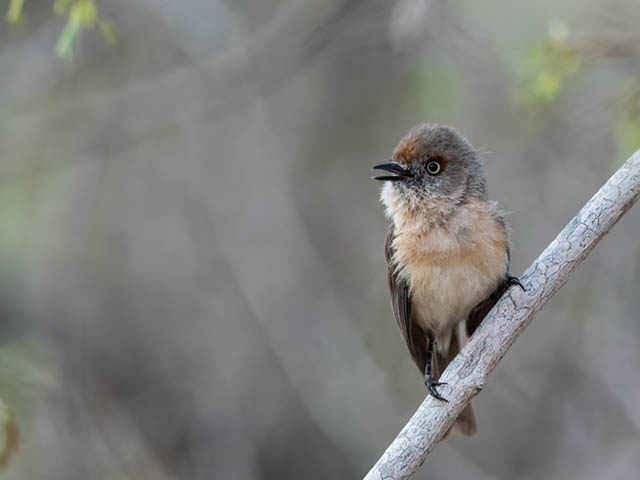
A world away from the eastern rainforests, after much anticipation we now bird the spiny forests near Ifaty, where baobabs and Diedera trees provide an absolutely unique habitat for a host of sought-after Madagascar endemics, among them such incredible birds as Long-tailed Ground Roller, Subdesert Mesite, Sickle-billed Vanga, Archbold’s Newtonia, Banded Kestrel, Thamnornis, Lafresnaye’s Vanga, Red-capped Coua (the local olivaceus subspecies, “Green-capped Coua”), Running Coua, and others. We also visit a site for Madagascan Plover.
Day 12. IFATY-TOLIARA
Today we will explore, on our drive to Tulear, a small hill reminiscent of Table Mountain in Cape Town, here called La Table. Behind it is a small area of scrubby forest, where we will search for the now famous Red-shouldered Vanga, the last lifer Phoebe Snetsinger saw before she was killed in a car accident – while birding!, and the localized Verreaux’s Coua. We hope to locate both, as well as possibly Lafresnaye’s Vanga.
Day 13. TOLIARA -ANAKAO
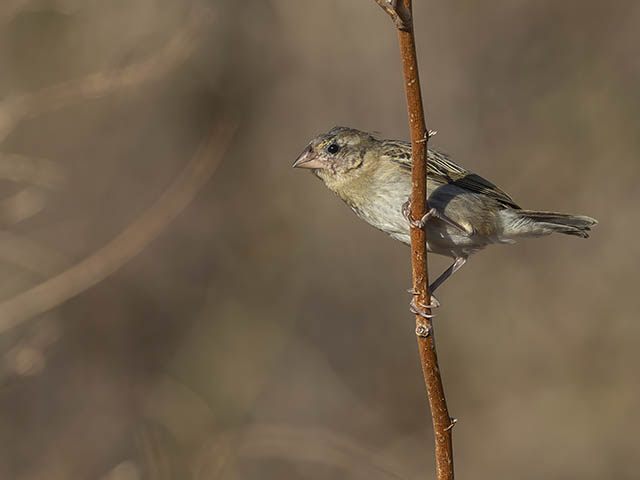
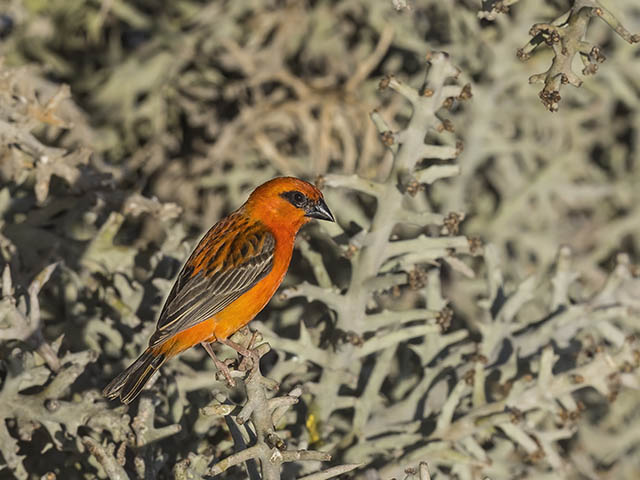
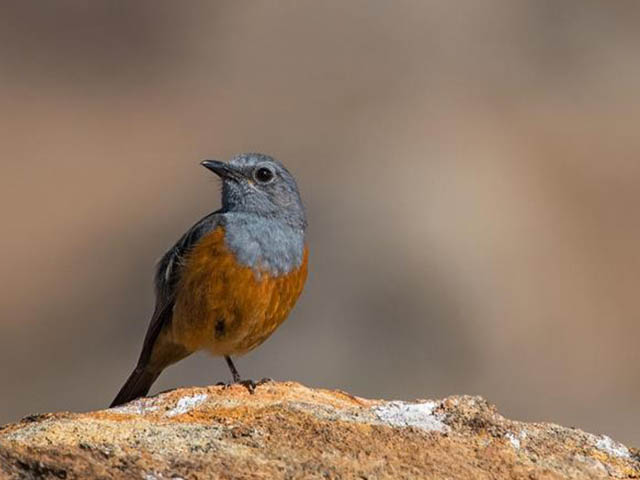
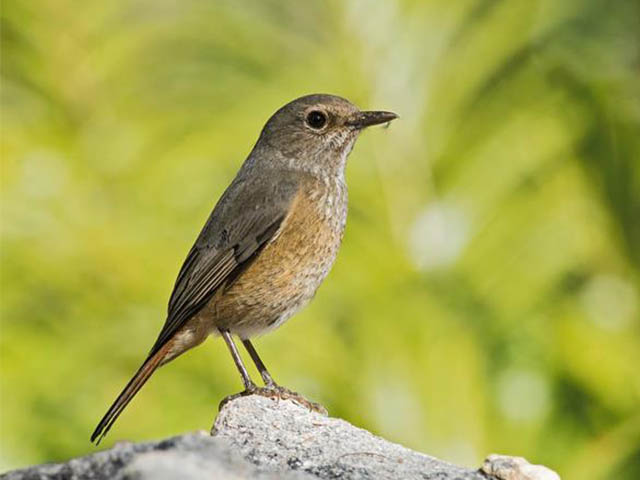
Today in the morning we do a boat trip to the island of Nosy Ve, where we look at breeding Red-tailed Tropicbird and may find Crab-plover as well as multiple terns and waders. Across the island on the mainland the small fishing village of Anakao, where we have lunch, contains our site for Littoral Rock Thrush. Here we’ll also look for Sakalava Weaver, Madagascan Buttonquail, and Subdesert Brush Warbler. We should see various other new trip birds as well.
Day 14. ANAKAO- NOSY VE
The main attraction of Nosy Ve is its colony of Red-tailed Tropicbirds, and we should be able to get fantastic close views of birds in the air and also sat on nests under low bushes. We can check the shoreline for White-fronted Plover, Sanderling, Terek Sandpiper, Dimorphic Egret and with luck the rather nomadic Crab Plover. Seabirds could include Lesser Crested, Common, Greater Crested, Caspian and Saunder’s Terns and there is always the chance of something unusual. We have even had very close views of Short-finned Pilot Whales! Leaving this idyllic island behind us we will cross to the mainland and the small fishing village of Anakoa where our targets will be the localised Littoral Rock Thrush and Sub-desert Brush Warbler both of which could be seen right around our accommodation. With a nice beach-side restaurant and bar looking out over clear blue waters this will be a relaxing place to unwind.
Day 15. ANAKAO-TOLIARA –TANA- DEPARTURE
We fly back to Tana and bird sites around the fascinating capital city for Sooty Falcon, Eleonora’s Falcon, Malagasy Pond Heron, and many other birds.
After some final birding in the city, either your international flight leaves Tana for home, or we will fly out to Fort Dauphin for the Berenty extension.
| CATEGORY | PRICE in €uro | PRICE in US $ | DESCRIPTION |
|---|---|---|---|
| Budget | €2,800 | $3,243 | Basic hotels, group transport, limited guiding, flights included |
| Mid-Range | €3,700 | $4,285 | Private guiding, good lodges, domestic flights, park fees included |
| High-End | €6,500 | $7,530 | Luxury lodges, internal charters, all-inclusive, expert naturalist guides |
✅ INCLUDED :
- 14 nights accommodation (mid-range lodges/hotels)
- Half-board meals (breakfast + dinner)
- All domestic flights:
- Toliara → Antananarivo
- All entrance fees (Andasibe, Ranomafana, Isalo)
- Professional English-speaking guide
- Private transport (4×4 or minibus, depending on group size)
- All airport transfers
- Bottled water during excursions
❌ EXCLUDED :
- Visa fees
- International flight
- Travel insurance
- Any drinks
- Telephone calls, laundry and other items of a personal nature.
- Tips for drivers, hotel staff, restaurants etc. If, therefore, you feel that he/they have given you excellent service, it is entirely appropriate to tip them.